
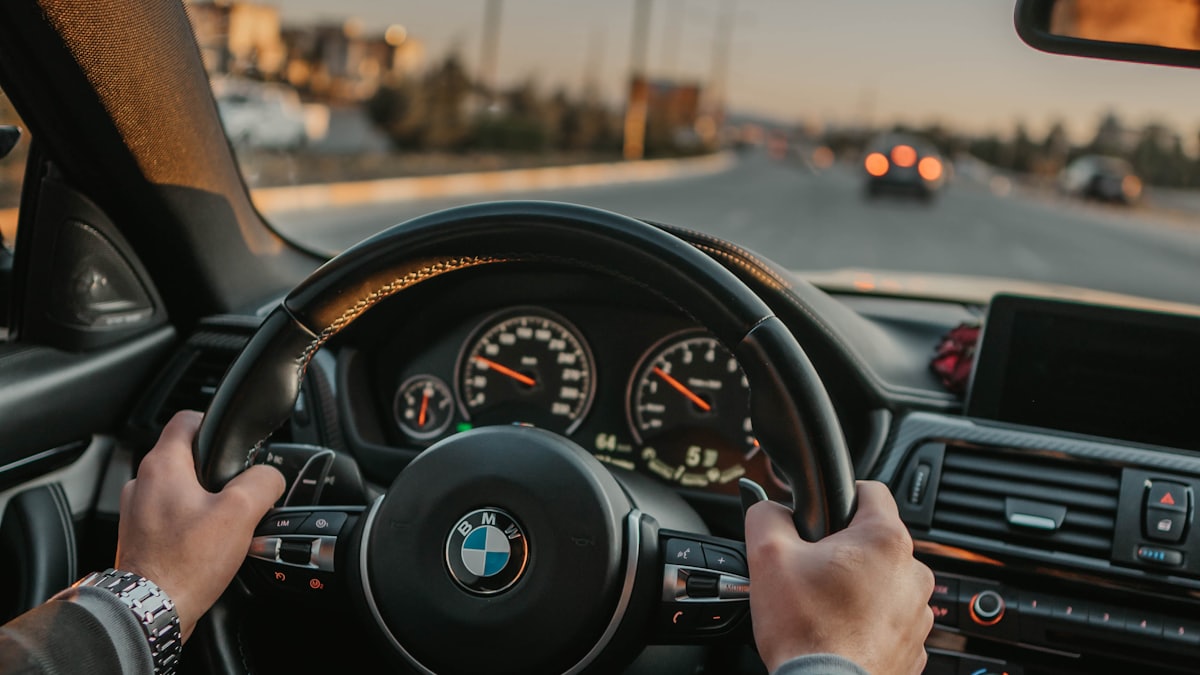
Feeling nervous before your first driving lesson is completely normal. The good news is that a first lesson is gentle by design. Knowing what to expect takes a lot of the worry out of it.
How long will it last?
First lessons are commonly an hour or two, and your instructor will usually agree the length with you when you book. A two hour first lesson gives you more time to settle in and actually get moving, while a single hour can feel less daunting if you are very nervous. Either is fine, so go with whatever feels comfortable for you.
What to sort out before you go
- Bring your provisional licence. Your instructor is required to check it before you drive.
- Wear comfortable, flat shoes so you can feel the pedals properly. Avoid heavy boots or heels.
- If you wear glasses or contact lenses for distance, bring them. You must be able to read a numberplate from 20 metres.
- Have a light meal beforehand so you are not distracted, and try to arrive relaxed rather than rushed.
What usually happens on the day
Your instructor will normally pick you up and drive to a quiet area with little traffic. From there, a typical first lesson covers the basics before you go anywhere:
- Getting set up, sometimes called the cockpit drill, which means adjusting your seat, mirrors and steering position.
- Learning the main controls, including the pedals, gears, handbrake and indicators.
- Often a first go at moving off, driving a short distance and stopping safely.
It is a lot to take in, and no instructor expects you to master it straight away. The goal of lesson one is to get comfortable, not to drive perfectly.
What you probably will not do yet
You are very unlikely to be on busy main roads, and you will not be driving fast. Motorway lessons are allowed with an approved instructor in a dual control car, but that comes much later once you are experienced, never on a first lesson.
What if I stall or make a mistake?
You almost certainly will, and that is completely expected on a first lesson. Stalling, hopping the car forward and forgetting the indicators are all part of learning, not signs that you are no good at it. Your instructor has seen it countless times and will simply talk you through it. The only thing to avoid is being hard on yourself, because relaxing is what helps everything start to click.
Calming the nerves
Remember that the instructor's car has dual controls, so they can brake or step in if needed. Keeping you safe is literally their job. Take a breath, go at your own pace, and ask questions whenever something is not clear. A good instructor expects a first timer to be unsure and will explain things patiently.
Questions worth asking
It is your lesson, so do not be shy about asking things. Good questions early on include how many lessons a week your instructor recommends, whether private practice would help, and what you should focus on before the next session. A quick chat at the end about what went well keeps your learning moving in the right direction.
After your first lesson
Take a moment to reflect on what went well and what felt hard, then book your next lesson while the momentum is there. If you learn through an instructor on Instructra, you can look back over what you have covered in My Diary, which makes it easy to see your progress build from that very first lesson onward.
Ready to get on the road?
Find a driving instructor that fits your schedule, request a lesson and track your progress with Instructra.
Find an instructor